
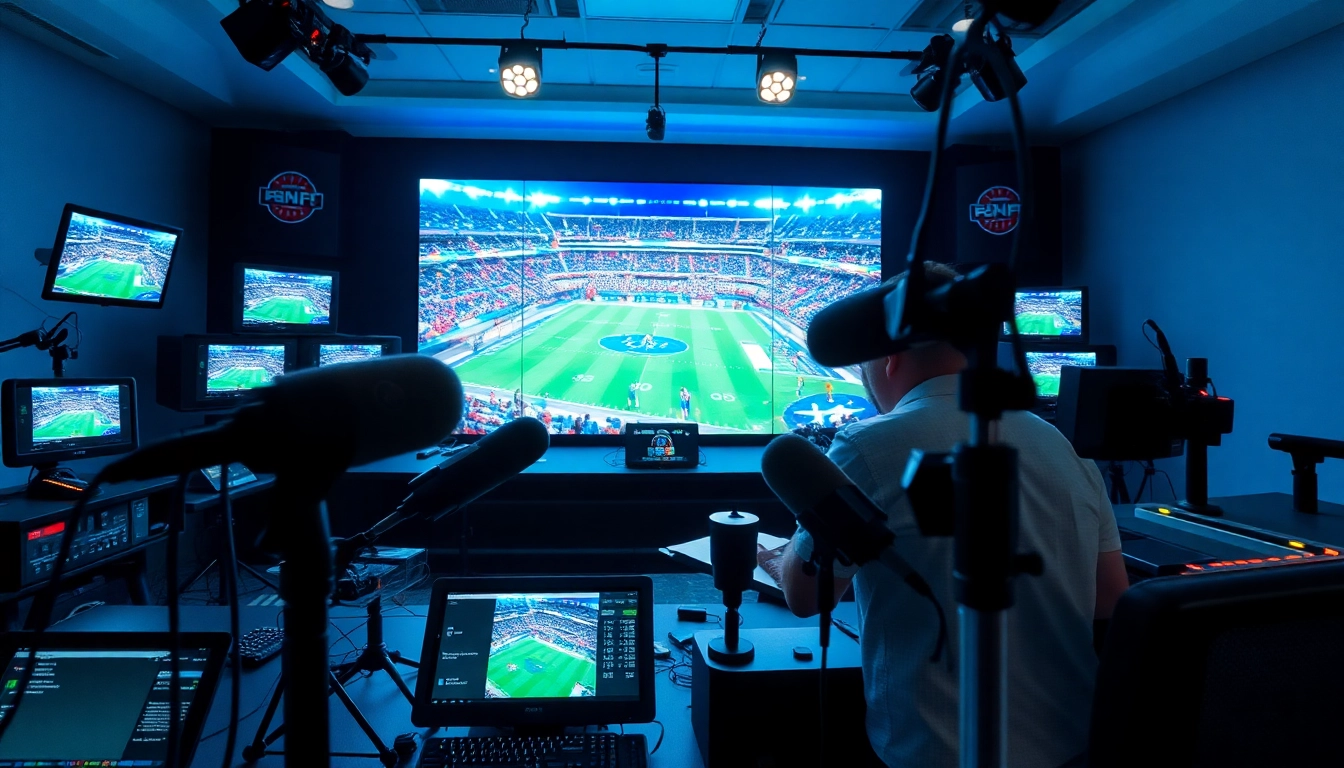
Understanding the Basics of Sports Broadcasting
Defining Sports Broadcasting
Sports broadcasting refers to the dissemination of sporting events and related content through various media platforms, including television, radio, and digital channels. It encompasses live coverage of events, expert commentary, interviews, analysis, and highlights. The primary goal is to bring an engaging and informative experience to fans and viewers of all ages, making Sports Broadcasting a dynamic field that combines entertainment, journalism, and technology.
Key Components of a Sports Broadcast
A successful sports broadcast consists of several key components that work together to create an immersive experience for the audience. These include:
- Play-by-Play Commentary: This is the real-time narration of the action during the game or event, helping viewers follow the pace and excitement of the match.
- Color Commentary: Experts provide in-depth analysis, background information, and personal anecdotes that enrich the viewing experience.
- Production Quality: High-definition visuals, quality sound, and sophisticated graphics enhance the overall presentation.
- Pre and Post-Game Shows: These segments set the stage or analyze the event aftermath, often featuring player interviews, expert opinions, and fan interactions.
- Interactive Elements: With digital platforms, audience engagement through polls, social media interactions, and live chats have become essential for a modern broadcast.
The Role of Technology in Sports Broadcasting
Technology plays a vital role in the evolution of sports broadcasting. Innovations such as instant replay, virtual graphics, and drone coverage have transformed the way events are presented. The shift to streaming services allows fans to access content on-the-go, catering to the demands of modern audiences. Additionally, advanced data analytics tools offer broadcasters the ability to present real-time stats, enhancing viewer understanding and enjoyment.
Essential Skills for Sports Broadcasters
Communication and Presentation Skills
Effective communication is at the heart of sports broadcasting. Broadcasters must convey information clearly and engagingly, ensuring audiences grasp the complexities of the game. Presentation skills, including vocal modulation, body language, and charisma, enable broadcasters to connect with viewers emotionally, making them feel part of the action.
Research and Preparation Techniques
Extensive research is crucial for delivering accurate and insightful commentary. Broadcasters must study team statistics, player profiles, recent performances, and historical context to provide depth in their analysis. Preparing notes, attending practice sessions, and engaging in discussions with coaches and players can enhance a broadcaster's credibility and insights.
Analyzing Sports Events Effectively
Critical analysis is necessary to provide viewers with meaningful insights. Broadcasters should focus on tactical aspects, player strengths and weaknesses, and current trends in the sport. Developing a structured approach to analysis ensures no significant details are overlooked, offering audiences a comprehensive understanding of the game.
The Evolution of Sports Broadcasting
Historical Milestones in Sports Broadcasting
The journey of sports broadcasting began in the early 20th century with radio broadcasts of major events. The introduction of television revolutionized the field, allowing viewers to watch live games in their homes. Key milestones include the first televised World Series in 1947, the emergence of cable networks in the 1980s, and the recent rise of streaming services, reshaping how fans consume sports content.
Impact of Digital Media on Sports Broadcasting
Digital media has significantly changed the landscape of sports broadcasting. Social media platforms have become vital for real-time updates, fan engagement, and behind-the-scenes content. The rise of on-demand video services allows audiences to watch games at their convenience, promoting a more personalized viewing experience. This shift demands broadcasters to adapt their content strategies to meet evolving fan expectations.
Future Trends in Sports Broadcasting
The future of sports broadcasting promises to be exciting with advancements in technology. Augmented reality (AR) and virtual reality (VR) are set to provide immersive experiences, transporting fans to the heart of the action. Data-driven storytelling using analytics will further enrich the audience experience, while personalized content delivery will cater to individual interests and preferences.
Strategies for Successful Sports Broadcasting
Engaging the Audience through Storytelling
Storytelling is a powerful technique to engage viewers emotionally. Successful sports broadcasters weave narratives around players, rivalries, and key moments that resonate with fans. By highlighting personal stories, struggles, and achievements, broadcasters can create a deeper connection, drawing viewers into the excitement of the sport.
Leveraging Social Media Platforms
Social media serves as a fundamental tool for broadcasters to reach broader audiences and build a community. By sharing highlights, expert analyses, and interactive posts, broadcasters can engage with fans in real-time. Utilizing platforms like Twitter and Instagram allows for immediate feedback and fosters discussions, enhancing the overall viewing experience.
Building a Personal Brand as a Broadcaster
In a competitive industry, establishing a personal brand is crucial for sports broadcasters. This includes developing a unique on-air personality, engaging with audiences beyond broadcasts, and diversifying content through blogs or podcasts. Consistency, authenticity, and quality content are vital in fostering a loyal fan base that can distinguish a broadcaster in a crowded marketplace.
Measuring Success in Sports Broadcasting
Key Performance Indicators in Broadcasting
Measuring success in sports broadcasting is essential for continuous improvement. Key Performance Indicators (KPIs) such as viewership ratings, audience engagement levels, social media interactions, and ad revenue provide insights into the effectiveness of broadcasts. Monitoring these metrics helps broadcasters refine their techniques and strategies for better audience reach and satisfaction.
Feedback and Audience Analytics
Collecting and analyzing audience feedback is vital to understand viewer preferences and improve broadcasts. Surveys, social media comments, and viewership data reveal valuable insights into what resonates with audiences. By acting on this feedback, broadcasters can continually evolve their content and presentation style to meet the changing demands of their viewers.
Continuous Improvement Strategies
Continuous improvement in sports broadcasting involves regularly assessing performance metrics, seeking constructive criticism, and staying current with trends. Engaging in professional development through workshops and networking with industry experts helps broadcasters hone their skills. By fostering a growth mindset, sports broadcasters can adapt to innovations and exceed audience expectations.
Frequently Asked Questions
What qualifications do you need to be a sports broadcaster?
A degree in journalism, communications, or a related field is beneficial, along with strong communication skills, knowledge of sports, and relevant experience in broadcasting or media.
How has technology changed sports broadcasting?
Technology has improved production quality, enabled live streaming, and introduced interactive content that enhances viewer engagement and experience during broadcasts.
What are the key skills required in sports broadcasting?
Key skills include excellent verbal communication, critical thinking, research abilities, presentation skills, and the ability to engage and connect with audiences effectively.
How do broadcasters prepare for a game?
Broadcasters prepare by researching team stats, player backgrounds, analyzing previous games, and creating detailed notes to ensure a comprehensive and insightful commentary during the broadcast.
What role do social media play in sports broadcasting?
Social media helps broadcasters connect with fans, share real-time updates and highlights, foster discussions, and build a community around sports events and personalities.